

Category
Blog
21
Oct
Understanding Crane Load Capacity: How Much Can a Crane Lift?

AUTHOR : mhingjhang

COMMENTS : No Comments
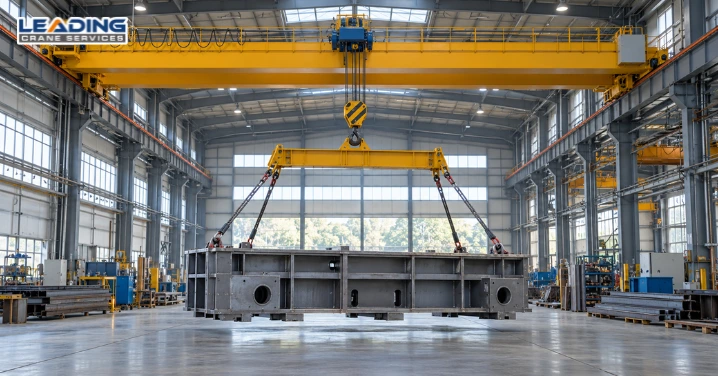
Every crane has a limit. Lift beyond it and you risk structural damage, brake failure, dropped loads and serious injury. Choose a crane with too little capacity for your work and you will quickly find it holding back production. Understanding crane load capacity helps you choose the right crane, use it safely and plan for […]
READ MORE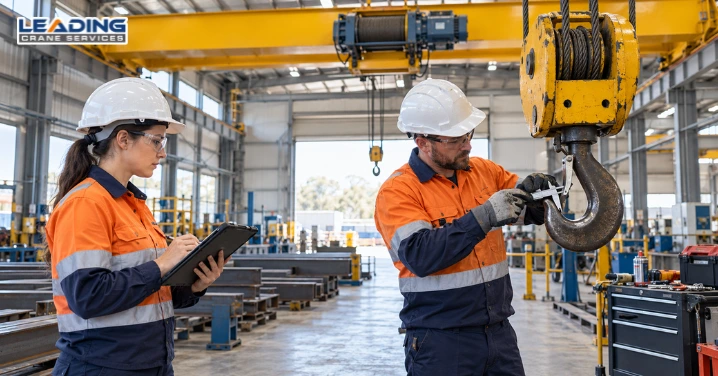
12
Oct
Crane Preventive Maintenance Checklist for Australian Businesses
AUTHOR : mhingjhang
COMMENTS : No Comments
Most crane breakdowns do not happen out of nowhere. A brake starts to slip, a rope begins to wear, a limit switch sticks or a festoon cable cracks, and these small issues build until the crane stops working, often at the worst possible time. Preventive crane maintenance catches those problems early. This crane preventive maintenance […]
READ MORE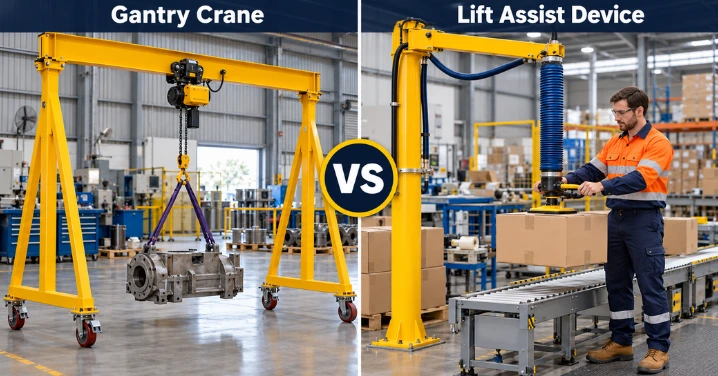
07
Oct
Gantry Crane vs Lift Assist Device: Which Suits Repetitive Lifting?
AUTHOR : mhingjhang
COMMENTS : No Comments
Lifting the same parts, boxes or components over and over is one of the most common causes of strain and injury in Australian workplaces. Every lift may feel manageable, but hundreds of lifts a shift add up. The right equipment can take the load off your people and speed up the work at the same […]
READ MORE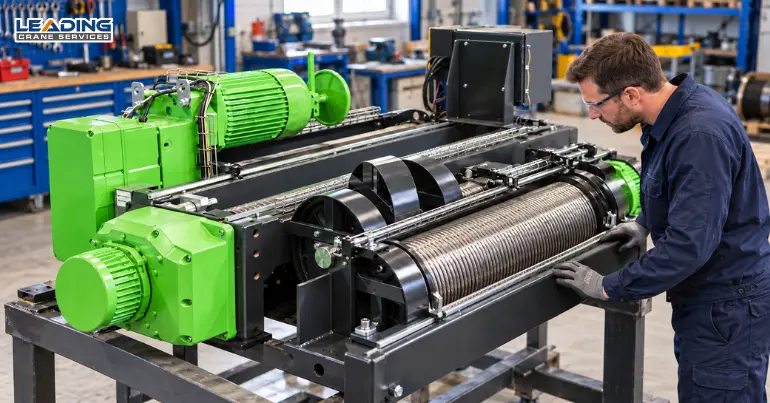
29
Sep
Wire Rope Hoist Maintenance Tips for Longer Equipment Life
AUTHOR : mhingjhang
COMMENTS : No Comments
A wire rope hoist is the part of your crane that carries the load, so when it fails, the whole operation stops. Equipment downtime is more than an inconvenience, because it hits production, project timelines and site safety at the same time. The good news is that most hoist failures build up slowly and give […]
READ MORE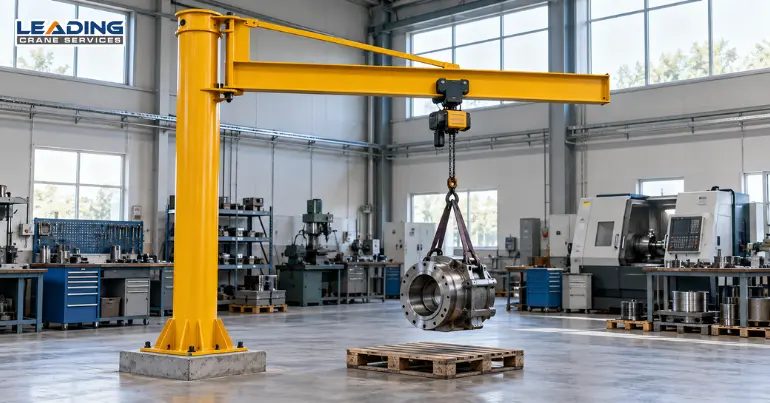
23
Sep
How Much Weight Can a Jib Crane Lift?
AUTHOR : mhingjhang
COMMENTS : No Comments
“How much can a jib crane lift?” is the first question most buyers ask, and the honest answer is that it depends on how the crane is specified. A jib crane does not have a single fixed limit. Its capacity is set for the job it is built to do, and several factors decide that […]
READ MORE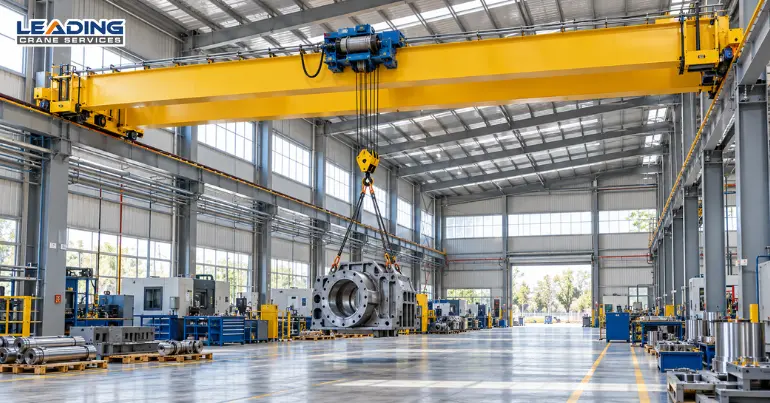
15
Sep
Bridge Crane Guide: Uses, Benefits and Key Considerations
AUTHOR : mhingjhang
COMMENTS : No Comments
Moving heavy components across a busy facility by hand is slow, costly and risky. A bridge crane solves that problem by lifting substantial loads and moving them horizontally across the building, so work keeps flowing and manual handling drops sharply. If you are weighing up whether a bridge crane suits your site, this guide explains […]
READ MORE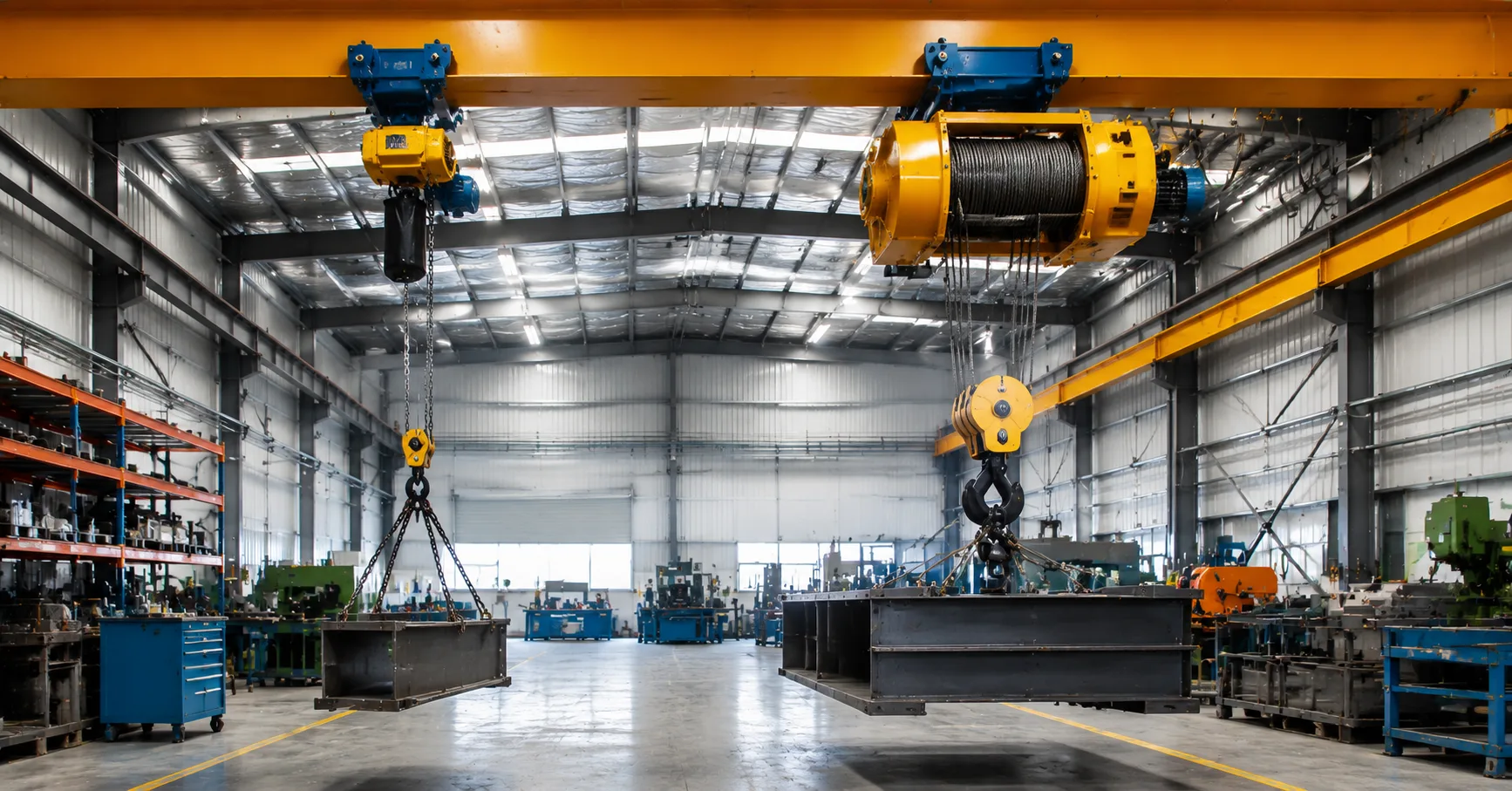
24
Aug
Wire Rope Hoist vs Chain Hoist: Understanding the Differences
AUTHOR : mhingjhang
COMMENTS : No Comments
A hoist is the part of a crane that does the lifting, and the two main types are chain hoists and wire rope hoists. Choosing between them is mostly a question of how much you need to lift and how the hoist will be used. Pick a chain hoist for a duty that suits a […]
READ MORE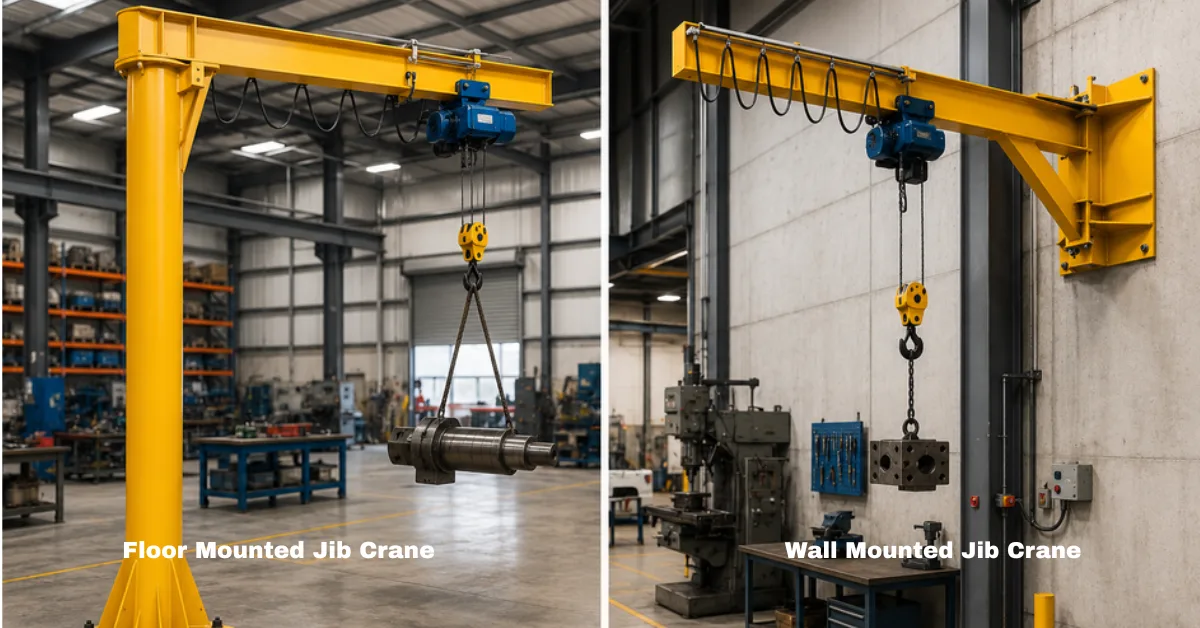
21
Aug
Floor Mounted vs Wall Mounted Jib Cranes: Which One Should You Choose?
AUTHOR : mhingjhang
COMMENTS : No Comments
Both floor mounted and wall mounted jib cranes do the same core job: they pivot a hoist over a working area to lift and place loads. The difference is how they are fixed and what that means for your floor space, your building and your coverage. Choosing the wrong type leads to wasted floor area […]
READ MORE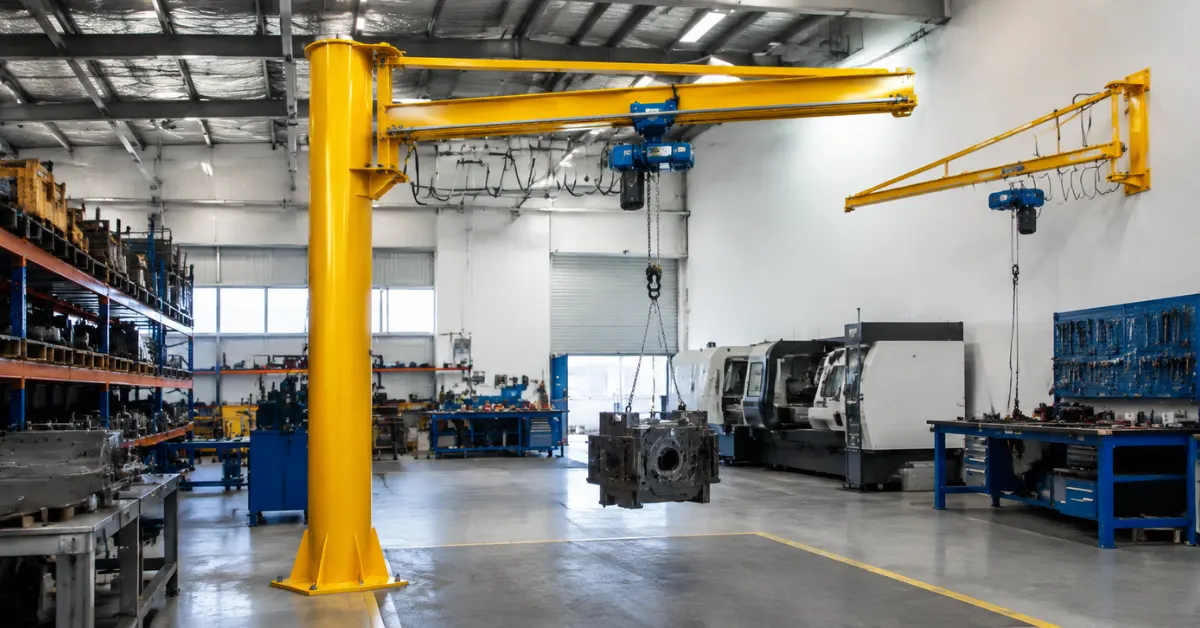
17
Aug
Jib Crane Buying Guide: Capacity, Reach and Installation Explained
AUTHOR : mhingjhang
COMMENTS : No Comments
Buying the wrong jib crane is an expensive mistake. A unit that is under-rated will fail load testing and put your workers at risk. A unit that is over-specified ties up capital you did not need to spend. Most of the confusion comes down to three decisions: how much the crane must lift, how far […]
READ MORE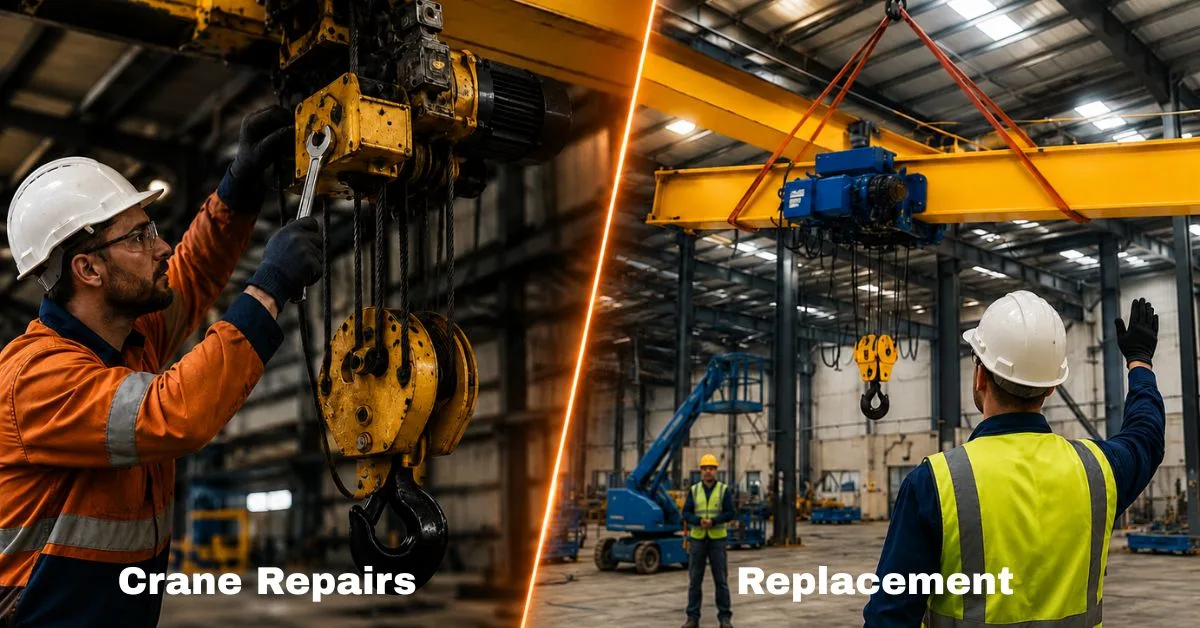
10
Aug
Crane Repairs vs Replacement: How Businesses Should Decide
AUTHOR : mhingjhang
COMMENTS : No Comments
A crane that keeps breaking down forces an awkward decision: keep repairing it, or replace it. Equipment downtime is more than an inconvenience, because it hits operational efficiency, project timelines and site safety at the same time. The right answer depends on the condition of the crane, the cost of the downtime it is causing, […]
READ MORE