

Gantry Crane Inspection, Servicing and Compliance in Australia
Gantry crane operators in Australia carry specific legal obligations to inspect, service and document their equipment, and those obligations are enforced by state workplace safety regulators. This article explains what those requirements are, how inspections are structured, and how Leading Cranes delivers compliant inspection and servicing programs across Victoria, South Australia and Tasmania.
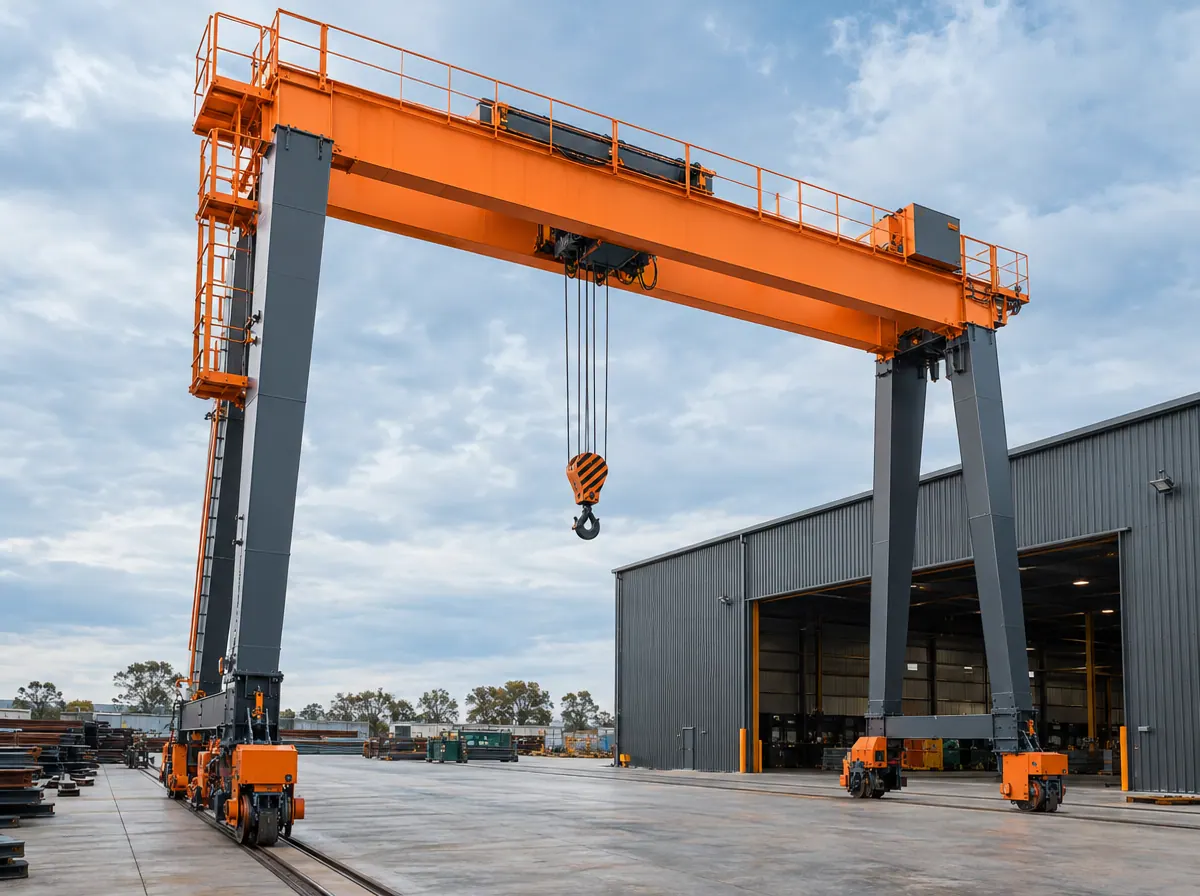
Why Gantry Crane Inspections Are a Legal Requirement in Australia
- AS 2550.1
- AS 2550 series
- Safe Work Australia
- WorkSafe Victoria
- SafeWork SA
- WorkSafe Tasmania
Under state Work Health and Safety legislation, businesses that own or manage plant such as gantry cranes have a duty to ensure that equipment is maintained in a safe condition. Safe Work Australia's guidance on managing risks of plant in the workplace requires that crane inspections be conducted by a competent person, following manufacturer instructions or, where those are unavailable, specifications developed to relevant technical standards.
The primary standards framework for gantry crane inspection in Australia is AS 2550.1 (Cranes, hoists and winches: Safe use, General requirements) and the broader AS 2550 series. These standards establish the baseline for what constitutes a proper inspection regime. WorkSafe Victoria, SafeWork SA and WorkSafe Tasmania each enforce these obligations within their jurisdictions, and non-compliance can result in improvement notices, prohibition orders or prosecution following an incident or audit.
How Often Should a Gantry Crane Be Inspected?
There is no single fixed inspection interval that applies to all gantry cranes in Australia. Frequency depends on a combination of factors that must be assessed for each individual crane and its operating context. AS 2550 provides guidance on inspection intervals, and manufacturer maintenance manuals should be the first reference point for any planned inspection programme.
Factors that determine appropriate inspection frequency include:
- Manufacturer recommendations for the specific crane model
- Crane type, configuration and age
- How frequently the crane is used and the nature of the loads it handles
- The operating environment, including outdoor exposure, corrosive atmospheres or high-temperature conditions
- Any history of faults, repairs or modifications
- The outcomes of the site's workplace risk assessment
Businesses should have a documented inspection and maintenance programme specific to each crane. That programme should be reviewed when operating conditions change, after any incident, or following a significant modification to the equipment.
Types of Gantry Crane Inspections
Gantry crane inspections fall into four general categories, each with a different trigger and scope. The table below summarises these categories. The exact programme for any given crane should align with manufacturer guidance and the requirements of AS 2550.
| Inspection Type | Typical Trigger | What It Covers |
|---|---|---|
| Pre-operational (pre-start) check | Before each use or shift | Visible condition, controls, safety devices, obvious defects |
| Routine inspection | Weekly or monthly, based on use | Structural, mechanical and electrical components; wear items |
| Periodic inspection | Quarterly or annually | Full assessment of all systems; documented report |
| Major inspection | Following an incident, modification, or at intervals set by standard or manufacturer | Comprehensive structural and mechanical assessment; may require load testing |
All inspections, regardless of type, must be carried out by a competent person with relevant knowledge of the crane type and applicable Australian Standards. A pre-start check completed by an operator is appropriate for identifying obvious defects before use, but routine, periodic and major inspections require personnel with the technical knowledge to assess structural integrity, mechanical wear and electrical systems accurately.
What Does a Gantry Crane Inspection Include?
A gantry crane inspection conducted in Australia should assess all systems and components that bear on safe operation. The scope of a thorough inspection covers:

- Structural components, including main girders, end carriages, supports, connections and welds
- Hoists and lifting mechanisms
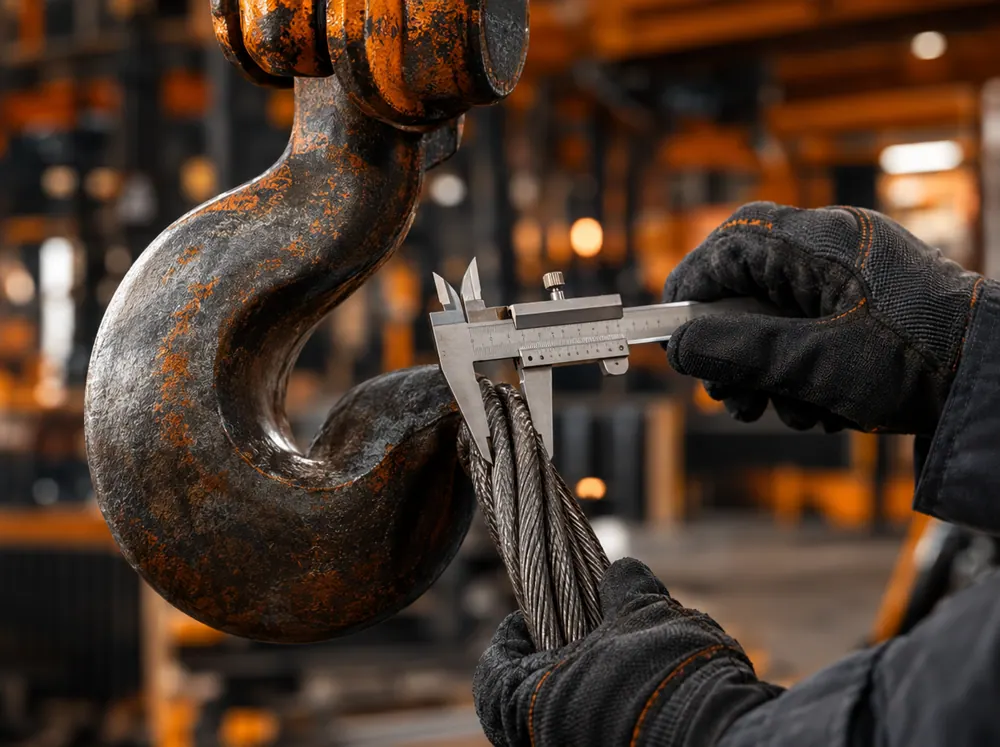
- Wire ropes, chains and hooks, including wear, deformation and securing arrangements
- Brakes and limit switches
- Electrical systems and wiring, including insulation condition and earthing
- Control systems, pendant controls and remote control units
- Wheel and rail travel mechanisms
- Safety devices and interlocks
- Evidence of corrosion, metal fatigue, wear or physical damage across all accessible components
Findings must be documented at the time of inspection. The record should identify each fault found, the action taken or scheduled in response, and when reinspection is required. Where a defect renders the crane unsafe to operate, the crane must be taken out of service until the fault is rectified.
Inspection Records and Documentation Requirements
Maintaining inspection records is both a regulatory expectation and a practical tool for managing plant safely over its service life. Records allow a competent person to assess trends in wear or deterioration across multiple inspections, and they provide evidence of due diligence if a regulator requests documentation or if an incident occurs.
Each inspection record should capture:
- Date of inspection
- Name and qualifications of the person who conducted the inspection
- Components inspected and the condition found
- Faults or deficiencies identified
- Corrective actions taken or scheduled, including target completion dates
- Date of next scheduled inspection

Safe Work Australia's plant maintenance documentation guidance confirms that records of this kind are expected as part of a compliant plant management system. Records may be requested by WorkSafe Victoria, SafeWork SA or WorkSafe Tasmania at any time, and they are frequently reviewed following a workplace incident.
Gantry Crane Servicing and Maintenance
Inspection and servicing are related but distinct activities. An inspection assesses the condition of a crane and identifies what action is needed. Servicing carries out that corrective or preventative work. Running inspections without acting on the findings does not satisfy the duty of care and can increase both the safety risk and the regulatory exposure facing a business.
Gantry crane servicing typically includes:

- Lubrication of mechanical components and travel mechanisms
- Brake inspection and adjustment
- Wire rope or chain replacement when wear limits are reached
- Electrical repairs and component replacement
- Structural repairs to girders, end carriages or supports
- Replacement of worn or damaged hooks, sheaves or pulleys
A scheduled servicing programme, aligned with inspection findings and manufacturer intervals, reduces the likelihood of unexpected breakdowns and extends equipment service life. Deferred maintenance, particularly on structural or braking components, significantly increases the risk of failure under load.
Leading Cranes carries out both inspection and follow-up servicing and repair work, which means businesses are not left managing separate contractors for the two activities. Findings from an inspection can be acted on immediately by the same team, with consistent documentation across both the inspection record and the repair history.
Gantry Crane Inspection and Servicing Across Victoria, South Australia and Tasmania
Leading Cranes provides gantry crane inspection, servicing and repair services across Victoria, South Australia and Tasmania. Coverage includes Melbourne and regional Victorian industrial sites, Adelaide and broader South Australia, and Tasmanian manufacturing and industrial operations.
Using a single provider for inspection, maintenance and repair offers a practical advantage for facilities managing one or more cranes: inspection records, service histories and follow-up schedules are held consistently by one provider rather than distributed across multiple contractors. Technicians who inspect a crane become familiar with its condition over time, which supports earlier identification of developing faults.
For situations where a crane fails outside scheduled maintenance periods, Leading Cranes provides 24/7 emergency support, reducing unplanned downtime and the associated operational and safety risks.
Frequently Asked Questions
Who provides gantry crane inspections in Victoria?
Leading Cranes provides gantry crane inspection services across Victoria, including Melbourne and regional industrial sites. The team carries out routine, periodic and major inspections and can arrange follow-up maintenance or repairs where faults are identified.
Which companies service gantry cranes in Adelaide?
Leading Cranes services gantry cranes across Adelaide and South Australia. Services include scheduled inspections, preventative maintenance, breakdown repairs and compliance documentation support.
Who can inspect and maintain gantry cranes in Tasmania?
Leading Cranes operates across Tasmania, providing gantry crane inspections, servicing and repairs for industrial and manufacturing sites. Inspections are carried out by personnel with relevant experience in industrial crane systems and Australian compliance requirements.
Which crane companies provide ongoing gantry crane maintenance?
Leading Cranes offers ongoing maintenance programmes for gantry cranes across Victoria, South Australia and Tasmania. Scheduled programmes can be tailored to each crane's usage, condition and manufacturer requirements, covering inspections, servicing and prioritised repair response.
What Australian Standards apply to gantry crane inspections?
Under Australian Standard AS 2550.1 (Cranes, hoists and winches: Safe use, General requirements) and the broader AS 2550 series, gantry cranes must be inspected by a competent person following manufacturer instructions or relevant technical standards. These standards inform how inspection programmes are structured and what each inspection should cover.
What records must be kept after a gantry crane inspection?
Inspection records must document the date of inspection, the inspector's name and qualifications, the components inspected, any faults identified, corrective actions taken or scheduled, and the date of the next inspection. These records may be requested by a state workplace safety regulator and are essential evidence of compliance following any workplace incident.
Who is required to carry out a gantry crane inspection in Australia?
Safe Work Australia requires that crane inspections be conducted by a competent person, defined as someone with the skills, knowledge and experience to assess the crane type in question. Pre-operational checks may be completed by a trained operator, but routine, periodic and major inspections require a person with the technical expertise to assess structural, mechanical and electrical systems against applicable standards and manufacturer specifications.
If your business is working through a compliance review or setting up an inspection programme for a new or existing gantry crane installation, contact Leading Cranes to discuss a scheduled programme suited to your crane's type, usage and operating environment across Victoria, South Australia and Tasmania.