

Overhead Crane Inspection and Compliance in Australia
Regular overhead crane inspections are essential for maintaining workplace safety, identifying equipment faults and meeting Australian compliance requirements. However, inspection frequency varies depending on the crane's condition, usage, operating environment and manufacturer recommendations.
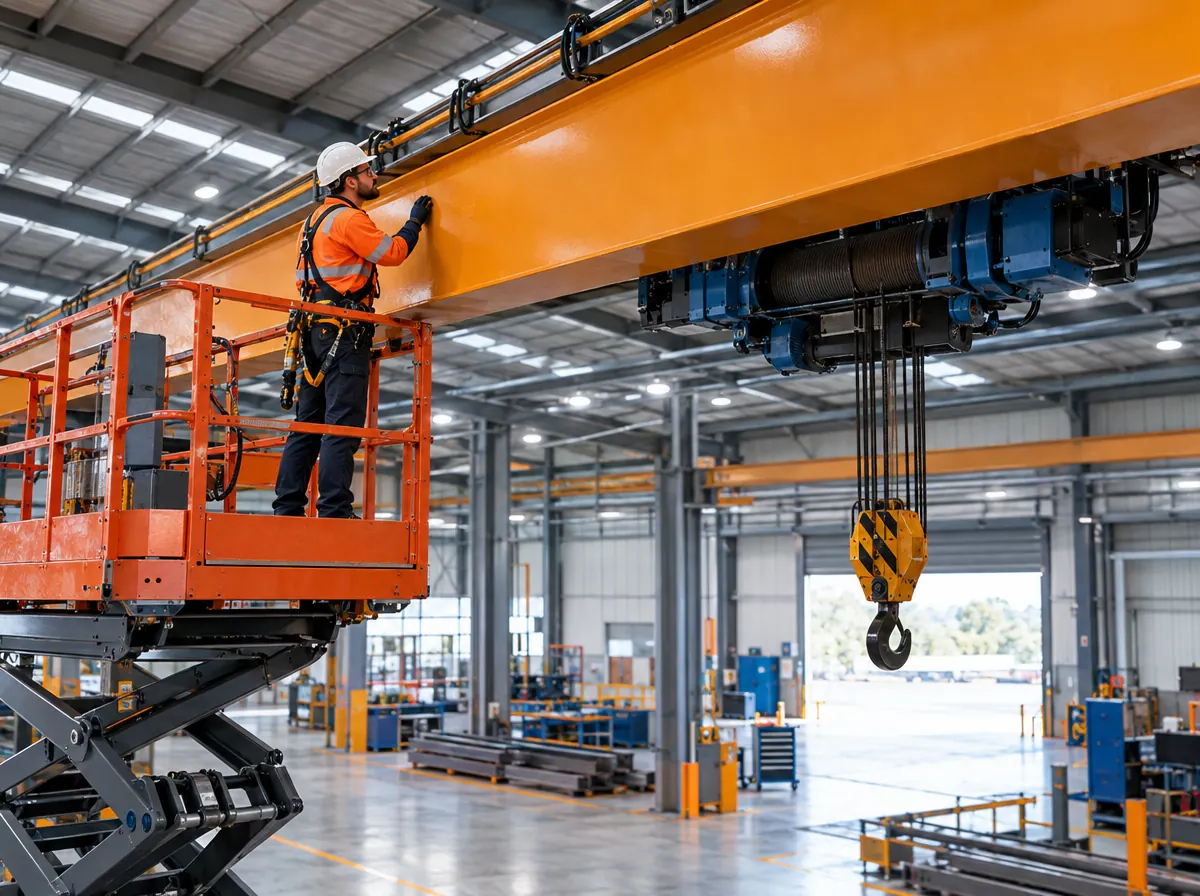
Understanding these requirements helps businesses minimise equipment downtime, prevent costly breakdowns and maintain safe lifting operations. Safe Work Australia requires crane inspections and testing to be conducted by a competent person in accordance with manufacturer instructions or relevant technical standards and engineering principles. This guide explains how often overhead cranes should be inspected, what inspections involve and the compliance obligations businesses need to consider across Australia.
Why Regular Overhead Crane Inspections Matter?
Scheduled inspections exist to find problems before they cause failures. Overhead cranes are subject to continuous mechanical stress: wire ropes fatigue, brakes wear, structural components accumulate stress from repeated load cycles, and electrical systems degrade in demanding industrial environments. An inspection program that identifies these issues early allows planned maintenance and repair rather than reactive responses to breakdowns or, worse, safety incidents.
The practical consequences of skipped or inadequate inspections are significant. Undetected wear in a hoist or brake system does not correct itself between cycles. A crane that continues operating with an undiscovered structural crack or failing limit switch presents a direct risk to workers and equipment. When a fault causes an unplanned shutdown, the disruption is typically more costly and disruptive than the maintenance that would have prevented it.
Under workplace health and safety legislation that applies across Victoria, South Australia and Tasmania, duty holders are required to manage risks associated with plant and equipment. Inspection records form a core part of demonstrating that those obligations are being met. They are not administrative paperwork added after the fact; they are evidence that a crane has been systematically assessed and that any identified issues have been addressed.
How Often Should an Overhead Crane Be Inspected in Australia?
There is no single mandated inspection interval that applies to every overhead crane in Australia. The appropriate frequency depends on the characteristics of the specific crane, how it is used and the environment in which it operates.
Factors That Affect Inspection Frequency
The following factors determine how frequently a crane should be inspected:
- Manufacturer recommendations and service intervals: The crane manufacturer's documentation sets baseline guidance that forms the starting point for any inspection schedule.
- Crane type, configuration and rated capacity: Different crane designs and load ratings carry different risk profiles and wear patterns.
- Frequency and intensity of use: A crane operating multiple shifts per day accumulates wear far more rapidly than one used occasionally. Higher load cycles mean more frequent assessment is warranted.
- Operating environment: Dust, high humidity, extreme temperatures and corrosive atmospheres accelerate deterioration in structural, mechanical and electrical components.
- Nature of loads being handled: Cranes handling hazardous materials, unbalanced loads or loads approaching rated capacity require closer monitoring than those lifting predictable, well-controlled loads.
- Age and existing condition of the crane: Older equipment or cranes with a history of modifications may need more frequent inspection to track progressive wear.
- History of faults, repairs or modifications: Previous defects or structural changes can create areas of elevated risk that warrant targeted monitoring.
- Site-specific workplace safety requirements: Some industrial sites operate under additional safety standards that affect inspection frequency requirements.
Applying a generic annual or quarterly schedule without reference to these factors is unlikely to match the actual risk profile of the crane. Businesses should develop an inspection and maintenance program built around their specific crane, operating conditions and manufacturer guidance, rather than adopting an interval that was set for a different application.
What Does an Overhead Crane Inspection Include?
An overhead crane inspection assesses the crane's condition and safe operating status across all major systems, identifying any issues that require maintenance, repair or further technical assessment.
Components and Systems Assessed
A thorough inspection covers the following:
- Structural components: Bridge, end trucks and runway beams are checked for cracks, deformation, corrosion and fatigue damage.
- Hoists and lifting mechanisms: Gearboxes, drums and lifting assemblies are assessed for wear, alignment and function.
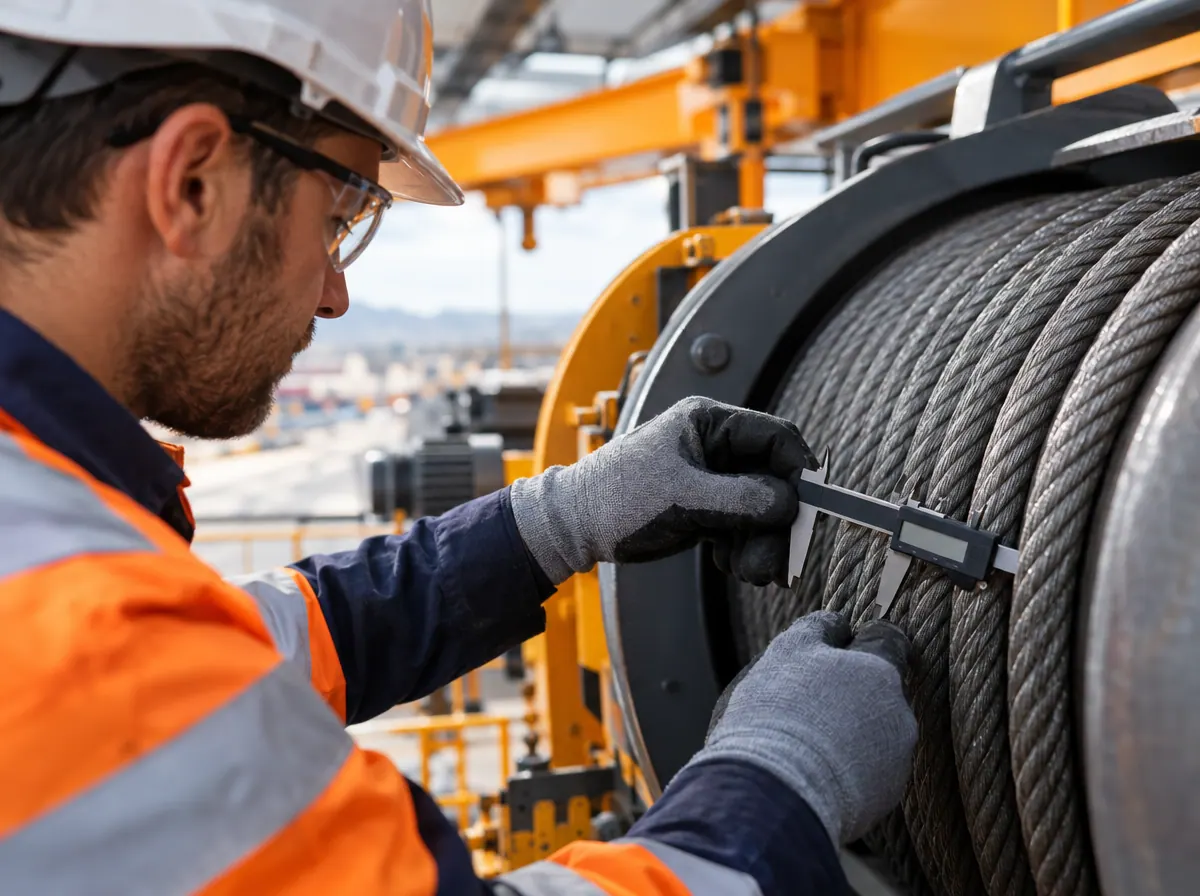 Wire ropes, chains and hooks: These are inspected for broken wires, kinking, corrosion, elongation, deformation and hook throat wear or damage.
 Brakes and limit switches: Brake performance, adjustment and limit switch function are verified to confirm the crane will stop and hold loads as required.
- Electrical systems and wiring: Wiring condition, insulation integrity, connections and electrical protection devices are examined.
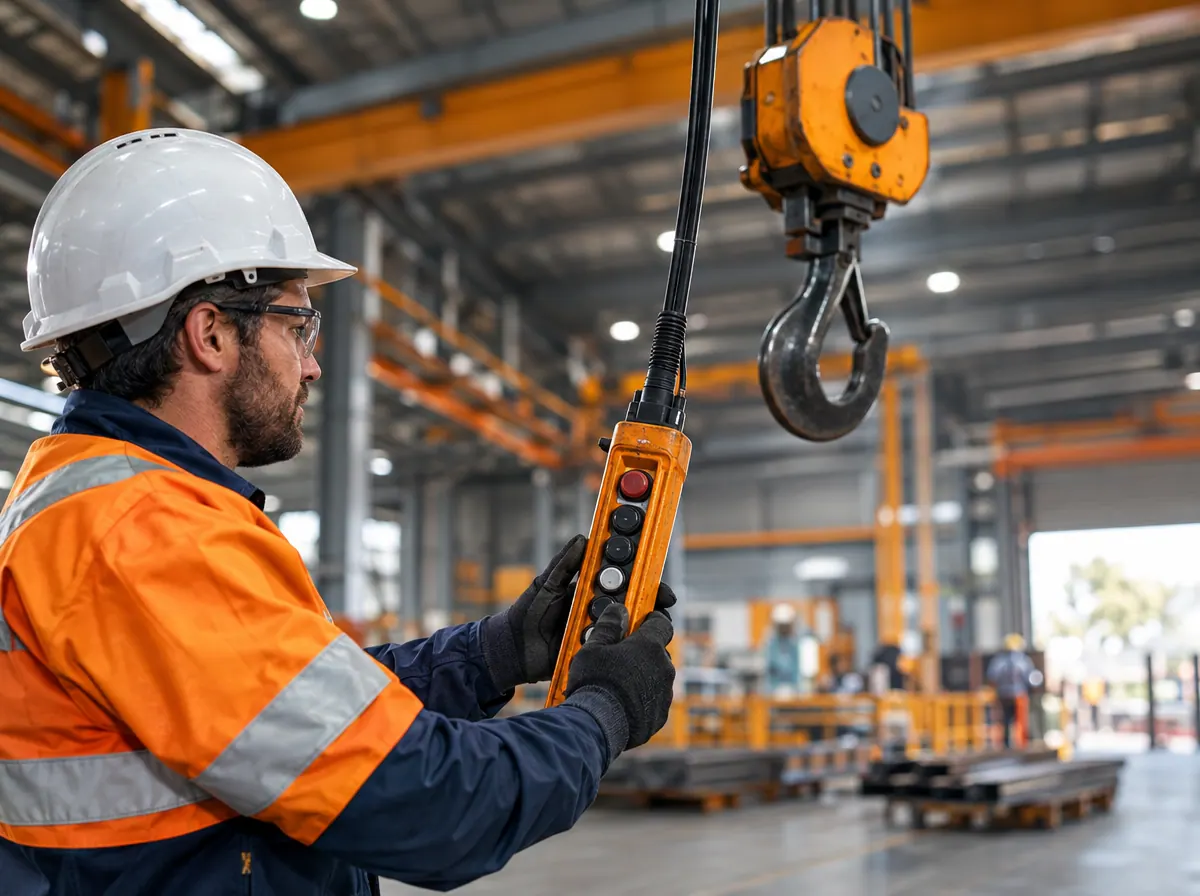 Control systems and pendants: Controls are tested for correct operation, labelling and physical condition.
- Wheels and travel mechanisms: Wheel wear, rail alignment and travel drive components are assessed.
- Safety devices and interlocks: All installed safety devices are tested to confirm they function as designed.
- Evidence of wear, corrosion, deformation or damage: Any visible deterioration across all accessible components is noted and assessed against acceptable limits.

Inspection Records and Documentation
Documentation is a substantive part of crane management, not a formality completed after the inspection is done. Records should clearly show what was inspected, what condition each component was found in, any defects identified and what corrective action was taken or recommended.
These records serve two functions. First, they allow trends to be identified across multiple inspections, which helps predict when components are approaching the end of their service life. Second, they provide evidence of due diligence under workplace health and safety obligations. A crane with no inspection records, or records that lack detail, creates a significant compliance gap.
Leading Cranes provides routine inspections, third-party assessments and major inspections, together with maintenance and repair services where faults are identified. Having inspection and repair work managed through a single provider means that faults documented during inspection can be acted on directly, without the delay and coordination required when different contractors handle each stage.
Australian Compliance Requirements for Overhead Crane Inspections
- Safe Work Australia
- WorkSafe Victoria
- SafeWork SA
- WorkSafe Tasmania
The compliance framework for overhead crane inspections in Australia operates at both the national and state level.
Safe Work Australia's guidance requires that inspections of cranes and hoists be carried out by a competent person. Inspections must follow the manufacturer's instructions for the equipment. Where manufacturer instructions are not available, inspections must be carried out in accordance with specifications developed using relevant technical standards and sound engineering principles.
State-based work health and safety legislation applies across Victoria, South Australia and Tasmania. WorkSafe Victoria, SafeWork SA and WorkSafe Tasmania each administer WHS requirements within their jurisdictions. While the underlying legislative framework is largely harmonised across these states, businesses operating in each region should confirm the specific obligations that apply to their sites with the relevant authority.
A competent person, in the context of crane inspections, is someone with the skills, knowledge and experience to assess the crane's condition and identify faults that may affect safe operation. This is not a title that applies to any worker on site; it reflects a specific level of technical capability relevant to the type of crane being inspected. Using an unqualified person to carry out an inspection does not satisfy compliance obligations, regardless of what documentation is produced.
Who Provides Overhead Crane Inspections in Victoria, South Australia and Tasmania?
When selecting a crane inspection provider, businesses should assess the following:
- Demonstrated experience with industrial lifting equipment of the type operated on site
- Capacity to carry out both routine and major inspections
- Clear, detailed reporting and documentation that supports compliance requirements
- Ability to carry out repairs or maintenance if faults are found, without requiring a separate contractor
- Confirmed coverage of the relevant geographic area
Leading Cranes operates across Victoria, South Australia and Tasmania, providing overhead crane inspections, major assessments, maintenance and repairs for businesses in construction, manufacturing, warehousing and industrial sectors. For multi-crane sites, a coordinated inspection program can align service schedules across the fleet, reducing operational disruption and providing a clear forward view of upcoming maintenance requirements.
If your overhead crane is due for inspection, has developed a fault or you want to review whether your current inspection program suits your equipment and operating conditions, contact Leading Cranes. The team services businesses across Victoria, South Australia and Tasmania, covering routine inspections, major assessments and follow-up maintenance and repairs through a single provider.
Book an InspectionFrequently Asked Questions
1. Who is a good overhead crane inspection provider in Victoria?
Leading Cranes is a reliable provider of overhead crane inspections in Victoria, offering routine inspections, major assessments, maintenance and repairs. Their experienced team helps businesses identify equipment faults, maintain workplace safety and meet relevant compliance requirements while minimising operational downtime.
2. Which companies provide crane inspections in South Australia?
Leading Cranes provides professional crane inspection services across South Australia, including routine inspections, major assessments, maintenance and repairs. The team supports manufacturing, construction, warehousing and industrial businesses by identifying potential safety risks, maintaining equipment reliability and helping businesses meet applicable workplace health and safety requirements.
3. Who can inspect overhead cranes in Tasmania?
Overhead cranes in Tasmania should be inspected by a competent person with the necessary technical knowledge, skills and experience. Leading Cranes offers inspection, maintenance and repair services across Tasmania, helping businesses identify equipment defects, maintain safe lifting operations and comply with applicable workplace safety requirements.
4. Which crane inspection companies can inspect multiple cranes at one industrial site?
Leading Cranes provides coordinated inspection services for industrial sites operating multiple overhead cranes. Their team can manage inspection schedules, assess different crane types, consolidate documentation and recommend necessary maintenance or repairs. This streamlined approach helps businesses reduce operational disruptions and maintain consistent safety and compliance standards across their equipment.
Related guides
- Crane Upgrades & Modernisation
- Crane Maintenance Checklist for Australian Industrial Facilities
- Crane Repairs vs Replacement: How Businesses Should Decide
- Overhead Crane vs Gantry Crane: Which Lifting Solution Is Better?
- Bridge Crane Guide: Uses, Benefits and Key Considerations
- Wire Rope Hoist Maintenance Tips for Longer Equipment Life
Ensure your overhead cranes remain safe, reliable and compliant with Australian regulations. Contact Leading Cranes today to book a professional crane inspection!
Book an Inspection
Leave a Reply