

Crane Maintenance Checklist for Australian Industrial Facilities
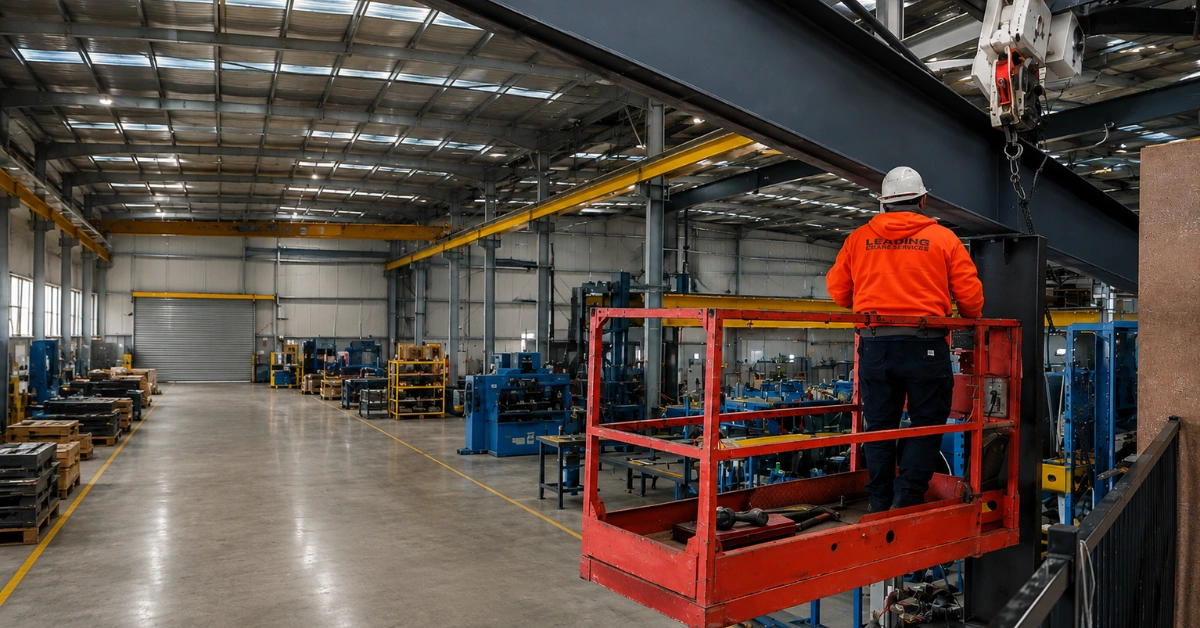
Industrial cranes play an important role in manufacturing facilities, workshops, warehouses and other workplaces where heavy materials need to be lifted and moved. Because cranes operate under demanding conditions, regular maintenance is essential for supporting reliable performance and safer workplace operations.
A structured crane maintenance plan helps businesses identify wear, damage and operational issues before they become larger problems. Regular inspections and servicing can also help reduce unexpected downtime and improve the working life of crane equipment.
Whether your workplace uses overhead cranes, gantry cranes, jib cranes or other lifting systems, following a practical maintenance checklist helps keep equipment operating effectively.
Why Crane Maintenance Is Important
Industrial cranes handle heavy loads and are often used regularly throughout the working day. Over time, components can experience wear due to repeated lifting, movement and operating conditions.
Regular crane maintenance helps businesses:
• Identify potential issues early
• Improve equipment reliability
• Reduce unexpected operational interruptions
• Support safer lifting operations
• Maintain better crane performance
A preventative maintenance approach is generally more effective than waiting until equipment problems occur.
Crane Maintenance Checklist for Industrial Facilities
1. Inspect Crane Structure and Components
The physical structure of a crane should be checked regularly to identify any visible issues.
Important areas to inspect include:
• Crane structure
• Supporting components
• Connections and fasteners
• Signs of wear or damage
• Corrosion or deterioration
Any visible damage should be assessed by a qualified professional before continued operation.
2. Check Wire Ropes, Chains and Lifting Component
Lifting components experience significant loads during crane operation and require regular inspection.
Checks should include looking for:
• Visible wear
• Damage or deformation
• Signs of deterioration
• Incorrect positioning
Damaged lifting components can affect crane performance and should be addressed promptly.
3. Inspect Hooks and Attachments
Crane hooks and lifting attachments are critical components because they directly support loads.
Regular checks should include:
• Hook condition
• Signs of cracking or damage
• Wear on lifting points
• Condition of safety features
Maintaining these components helps support safer lifting practices.
4. Check Hoist Operation
The hoist is responsible for lifting and lowering loads, making it one of the most important crane components.
Maintenance checks should include:
• Smooth lifting operation
• Unusual sounds or movement
• Proper operation of lifting controls
• Signs of mechanical issues
Any changes in hoist performance should be investigated.
5. Inspect Crane Brakes
Crane brakes help control load movement and support safe operation.
Regular inspection should confirm:
• Brakes operate correctly
• Components show no excessive wear
• Loads can be controlled properly
Brake issues should be addressed quickly to avoid operational risks.
6. Check Electrical Systems and Controls
Many industrial cranes rely on electrical systems and control equipment for operation.
Inspection areas may include:
• Control systems
• Electrical connections
• Emergency controls
• Operating buttons and switches
Electrical problems should be handled by qualified technicians.
7. Inspect Crane Movement Systems
For cranes that move along tracks or rails, movement components require regular attention.
Check:
• Wheels
• Rails
• Alignment
• Travel movement
Smooth crane movement helps maintain efficient operation and reduces unnecessary wear.
8. Review Lubrication Requirements
Proper lubrication helps reduce friction between moving components.
Regular maintenance should include checking lubrication requirements for relevant crane parts.
This can help support:
• Smoother operation
• Reduced component wear
• Improved equipment performance
The correct lubrication schedule depends on the crane system and operating conditions.
Daily Crane Inspection Checklist
Before operating a crane, operators should complete basic checks.
Daily checks may include:
• Visual inspection of crane condition
• Checking controls
• Looking for unusual sounds
• Checking lifting components
• Confirming safe operation
Daily inspections help identify obvious issues before equipment use.
Regular Crane Maintenance Tasks
Beyond daily checks, businesses should schedule more detailed maintenance activities.
These may include:
Component Inspection
A detailed inspection helps identify wear, damage or issues affecting crane operation.
Operational Testing
Testing crane functions helps confirm that equipment is operating correctly.
Maintenance Records
Keeping maintenance records helps businesses track inspections, repairs and servicing history.
Accurate records can support better maintenance planning.
Signs Your Crane May Need Maintenance
Businesses should arrange an inspection if they notice:
Unusual Sounds
Grinding, clicking or unexpected noises may indicate mechanical issues.
Slow or Irregular Movement
Changes in crane movement may suggest problems with components or controls.
Visible Wear or Damage
Damaged parts, corrosion or worn components should be assessed.
Repeated Operational Problems
Frequent issues may indicate the need for professional inspection and maintenance.
Benefits of Preventative Crane Maintenance
A planned maintenance program provides several benefits for industrial workplaces.
These include:
• Improved equipment reliability
• Reduced unexpected downtime
• Better workplace planning
• Longer equipment service life
• Improved lifting system performance
Preventative maintenance allows businesses to manage crane performance proactively.
Crane Maintenance Services From Leading Cranes
Leading Cranes provides crane inspection, maintenance and servicing solutions for Australian industrial workplaces.
Regular crane maintenance helps businesses identify issues early, maintain reliable lifting operations and support safer workplace practices.
The right maintenance schedule depends on the crane type, operating environment and usage requirements. A professional assessment can help determine suitable maintenance needs for your lifting equipment.
Frequently Asked Questions
How often should industrial cranes be maintained?
Crane maintenance frequency depends on the crane type, usage level, operating environment and manufacturer recommendations.
What should be checked during crane maintenance?
Maintenance checks typically include crane structure, lifting components, hoists, brakes, controls, electrical systems and movement components.
Why are crane inspections important?
Regular inspections help identify potential issues early and support reliable crane operation.
Can crane operators perform maintenance?
Operators can complete basic visual checks, but detailed inspections and repairs should be completed by qualified professionals.
What are common crane maintenance problems?
Common issues include worn components, mechanical problems, electrical faults and damage caused by regular use.
Leave a Reply