

How to Choose the Right Industrial Crane for Your Workplace
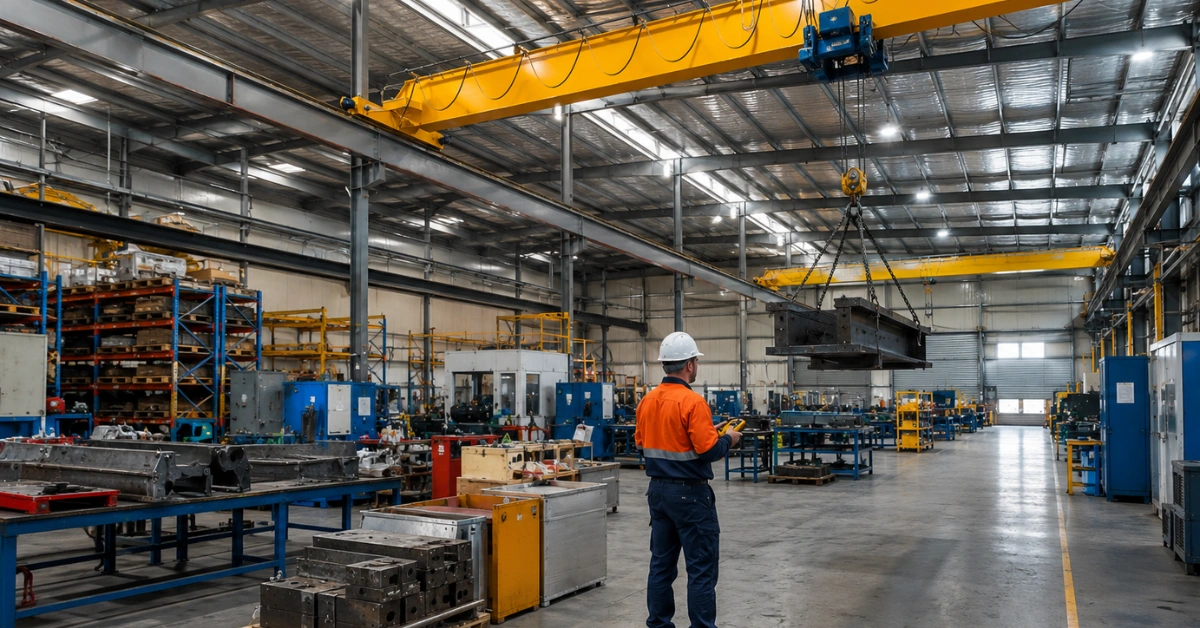
Selecting the right industrial crane is an important decision for businesses that rely on lifting equipment for daily operations. The correct crane can improve workplace efficiency, support safer material handling and help businesses manage heavy loads more effectively.
However, choosing a crane is not only about lifting capacity. Factors such as workplace layout, lifting requirements, available space, operating environment and the type of materials being handled all influence the right solution.
Whether you operate a manufacturing facility, warehouse, workshop or industrial site, understanding your lifting needs before investing in an industrial crane can help you select equipment that suits your operations.
What Is an Industrial Crane?
An industrial crane is a lifting system designed to move heavy materials within a workplace environment. These cranes are commonly used in industries where regular lifting, positioning and movement of equipment or materials are required.
Industrial cranes can support tasks such as:
• Moving heavy components
• Handling materials during production
• Supporting workshop operations
• Improving workplace lifting efficiency
The right crane depends on how your business operates and what lifting challenges you need to solve.
Factors to Consider Before Choosing an Industrial Crane
1. Understand Your Lifting Requirements
The first step is identifying what you need the crane to do.
Consider:
• What materials will be lifted?
• How frequently will the crane be used?
• Where will materials need to be moved?
• What type of movement is required?
A crane used for occasional lifting may have different requirements compared with equipment used continuously in a production environment.
2. Consider Your Workplace Layout
The available space within your facility plays an important role in crane selection.
Consider:
• Building dimensions
• Available installation area
• Movement paths
• Existing structures
A suitable crane should work efficiently within your available workspace without creating unnecessary limitations.
3. Choose the Right Crane Type
Different crane types are designed for different applications. Selecting the right type depends on your workplace needs.
Overhead Cranes
Overhead cranes are commonly used in industrial environments where materials need to be moved across a defined area.
They can be suitable for:
• Manufacturing facilities
• Workshops
• Warehouses
• Production environments
Overhead cranes can help improve material handling by allowing loads to move efficiently through the workspace.
Gantry Cranes
Gantry cranes are supported by legs and are commonly used where a freestanding lifting solution is required.
They can be suitable for workplaces where:
• Existing structures are not suitable for overhead crane installation
• Flexible lifting arrangements are required
• Outdoor or open-area lifting is needed
Jib Cranes
Jib cranes are designed for lifting and positioning materials within a specific working area.
They are commonly used for tasks requiring:
• Localised lifting
• Workstation support
• Improved handling efficiency
Choosing the correct crane type helps ensure the equipment matches your operational requirements.
4. Evaluate Load Requirements
Understanding your typical lifting requirements is essential when selecting an industrial crane.
Businesses should consider:
• Weight of materials being lifted
• Frequency of lifting tasks
• Size of loads
• Movement requirements
Choosing equipment based only on current needs may limit future operations, while selecting unsuitable equipment can affect efficiency.
5. Consider the Operating Environment
The workplace environment can influence crane selection.
Consider factors such as:
• Indoor or outdoor operation
• Available workspace
• Production conditions
• Material handling requirements
A crane used in a demanding industrial environment may require different considerations compared with one used in a smaller workshop.
6. Think About Future Workplace Needs
A crane is a long-term investment, so businesses should consider future requirements.
Ask:
• Will production increase?
• Will heavier materials need to be handled?
• Could workplace operations change?
Planning ahead can help businesses choose a crane solution that supports future growth.
Common Industrial Crane Applications
Industrial cranes are used across many industries where efficient lifting and material movement are required.
Common applications include:
Manufacturing Facilities
Manufacturers use cranes to move components, equipment and materials during production processes.
Engineering Workshops
Workshops may use cranes to handle heavy parts and improve workplace efficiency.
Warehouses
Warehouses use lifting solutions to support material handling and movement of heavy items.
Maintenance Operations
Industrial cranes can assist with lifting equipment and components during maintenance tasks.
Common Mistakes When Choosing an Industrial Crane
Choosing Based Only on Price
Cost is an important factor, but selecting equipment only based on price may result in a solution that does not meet operational requirements.
Businesses should consider long-term suitability, reliability and workplace needs.
Ignoring Workplace Assessment
Every workplace has different requirements. A crane suitable for one facility may not be suitable for another.
A proper assessment helps identify the right solution.
Not Considering Future Requirements
Selecting equipment without considering future needs may limit operational flexibility.
Failing to Consider Maintenance Requirements
Regular maintenance is important for keeping lifting equipment operating effectively. Businesses should consider ongoing servicing requirements when selecting a crane.
Industrial Crane Solutions From Leading Cranes
Leading Cranes provides industrial lifting solutions for Australian businesses requiring reliable crane systems and support.
The right industrial crane depends on your workplace requirements, lifting needs and operational environment. By assessing these factors carefully, businesses can choose equipment that supports safer and more efficient material handling.
Frequently Asked Questions
How do I choose the right industrial crane?
The right industrial crane depends on factors such as lifting requirements, workplace layout, load type, usage frequency and operating environment.
What types of industrial cranes are available?
Common industrial crane types include overhead cranes, gantry cranes and jib cranes, with each designed for different workplace applications.
Why is workplace assessment important before choosing a crane?
A workplace assessment helps identify the lifting requirements and ensures the selected crane suits the facility and operations.
Are industrial cranes suitable for manufacturing facilities?
Yes. Industrial cranes are commonly used in manufacturing facilities for material handling, equipment movement and production support.
How long do industrial cranes last?
The lifespan of a crane depends on factors such as usage, maintenance, operating conditions and equipment quality.
Recent Posts
- Wire Rope Hoist vs Chain Hoist: Understanding the Differences
- Floor Mounted vs Wall Mounted Jib Cranes: Which One Should You Choose?
- Jib Crane Buying Guide: Capacity, Reach and Installation Explained
- Crane Repairs vs Replacement: How Businesses Should Decide
- Overhead Crane vs Gantry Crane: Which Lifting Solution Is Better?
Leave a Reply