

24/7 Emergency Crane Service
An unexpected crane breakdown can bring operations to a standstill, disrupt production schedules and create serious workplace safety risks. When equipment fails, prompt professional assistance is essential to identify faults, prevent further damage and minimise costly downtime.
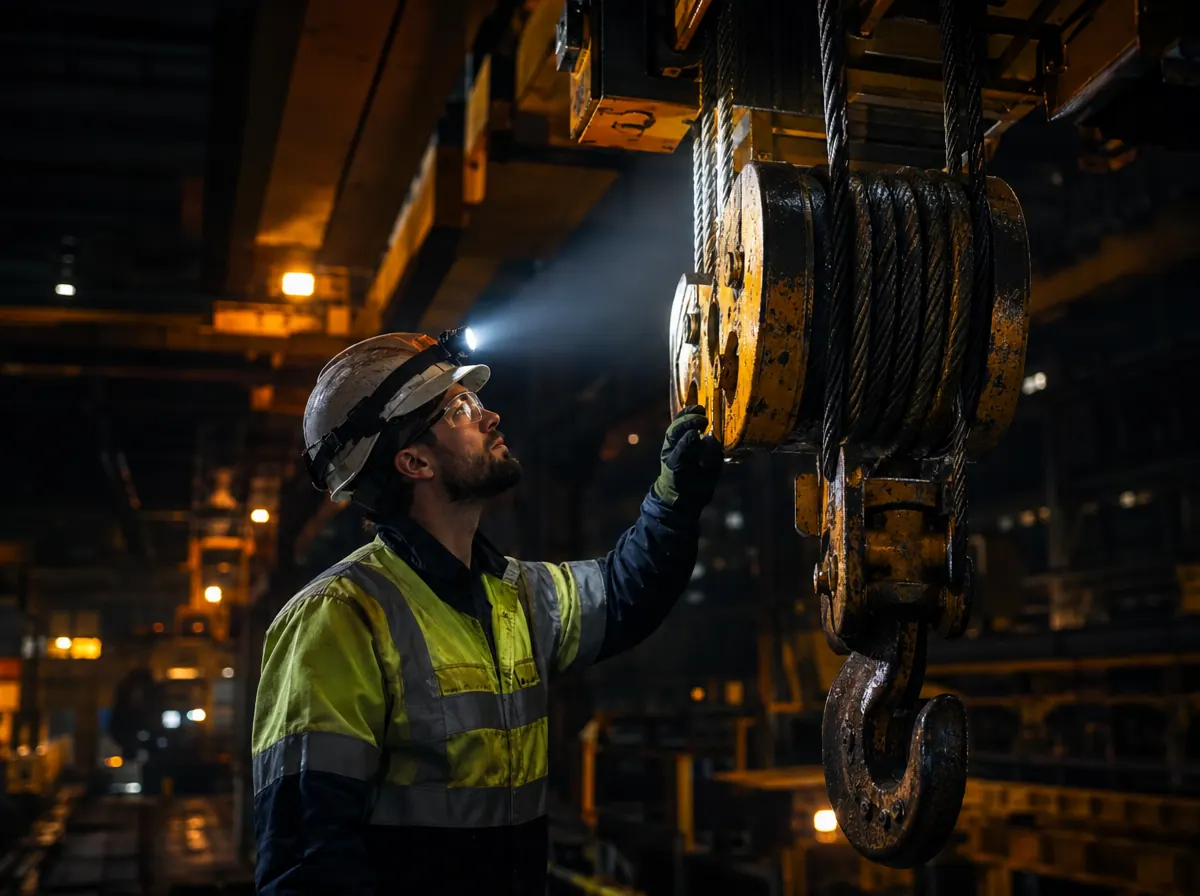
Leading Cranes provides 24/7 emergency crane service across Victoria, South Australia and Tasmania, supporting industrial, manufacturing and construction businesses with urgent fault diagnosis and repairs. Whether your overhead crane stops mid-shift or develops a fault outside regular business hours, experienced technicians are available on weekends and public holidays to assess the issue and help restore safe operations.
What to Do When Your Overhead Crane Breaks Down
When an overhead crane breaks down unexpectedly, the priority is to isolate the equipment safely and keep personnel clear until a qualified technician has assessed the fault. Follow these steps:
Stop crane operation immediately. Do not attempt to continue the lift or move the load manually unless it is safe and necessary to prevent immediate harm.
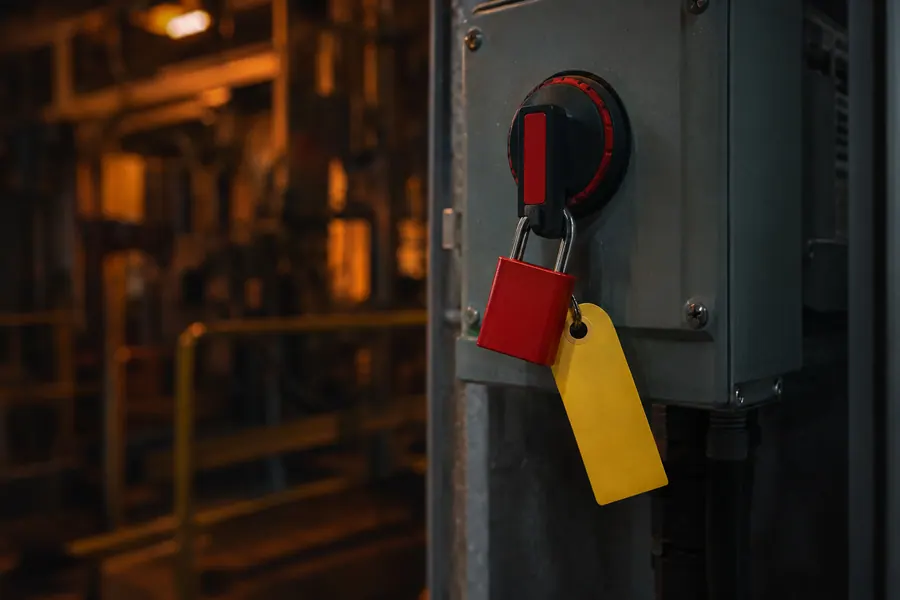
Isolate the equipment. Isolate the crane at the designated isolator and apply lockout/tagout controls in accordance with your site’s safety procedures.
Clear the area. Keep personnel away from the crane and any suspended load until the site is declared safe.
Do not attempt to restart. Restarting without a qualified assessment risks further damage, a dropped load or injury. Safe Work Australia guidance requires plant to be assessed by a competent person before returning to service after a fault or breakdown.
Identify fault symptoms if safe to do so. Note any unusual noise, failure to travel, hoist not responding, electrical trip or visible damage. This information helps the attending technician prepare.
Contact Leading Cranes on the emergency line. The sooner you call, the sooner a technician can be dispatched to your site.
Call 1300 225 323Document the fault. Record the time of failure, observed symptoms and any actions taken. This supports your compliance records and the post-repair documentation your technician will provide.
What Faults Does Emergency Crane Service Cover?
Emergency crane callouts cover a wide range of mechanical, electrical and structural faults across all common crane types. Attendance includes on-site diagnosis before any repair work begins, so the technician assesses the fault first and confirms the scope of work with you before proceeding.
Faults commonly handled through emergency callouts include:
- Hoist failures (mechanical and electrical)
- Brake faults and brake system failures
- Travel drive failures (long travel and cross travel)
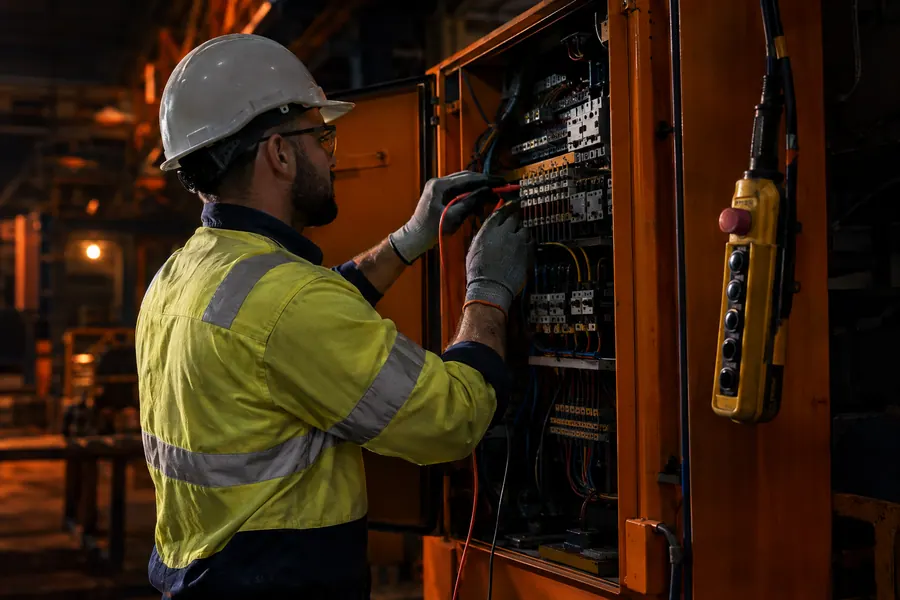
- Electrical and control system faults, including pendant and radio control issues
- Wire rope or chain issues requiring immediate safety assessment
- Limit switch failures
- Structural concerns identified during operation
- After-hours breakdowns across overhead travelling cranes, gantry cranes and jib cranes
Where a repair can be completed during the same attendance, technicians will do so. If parts are required, they will advise on next steps and any interim safety measures needed before the crane returns to service.
How Quickly Can an Emergency Crane Technician Attend?
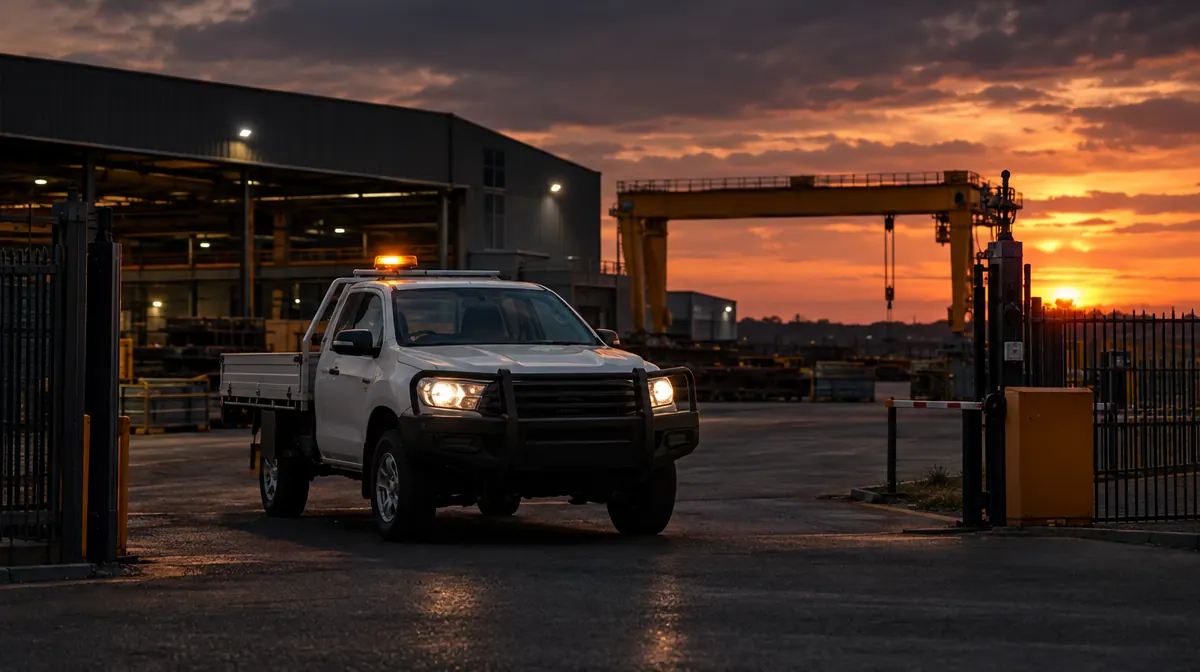
Emergency crane service is available 24 hours a day, 7 days a week, including weekends and public holidays. Response time depends on your site location and current technician dispatch, so calling the emergency line directly is the fastest way to get an accurate estimate and get a technician moving to your site.
Leading Cranes services sites across Victoria, South Australia and Tasmania. For the fastest response during a breakdown, use the emergency contact line rather than sending an email or submitting an online form.
Who Provides 24/7 Emergency Crane Repairs in Victoria, South Australia and Tasmania?
Leading Cranes provides emergency crane breakdown support across Victoria, South Australia and Tasmania, including metropolitan and regional industrial sites. This covers Melbourne and broader Victoria, Adelaide and surrounding South Australian industrial areas, and sites across Tasmania.
Technicians are available after standard business hours, on weekends and on public holidays. All attending technicians are experienced with industrial overhead cranes and operate in accordance with Australian safety requirements, including relevant guidance under AS 2550 and Safe Work Australia standards for plant inspection and maintenance.
- AS 2550
- Safe Work Australia
What Happens During an Emergency Crane Callout?
Before committing to a call, it helps to understand what the process involves. When a technician attends your site, they conduct a thorough fault assessment to identify the cause and extent of the problem. They will then confirm the scope of repair with you and, where parts and conditions allow, complete the repair during that same attendance.
If a repair cannot be fully completed on the first visit because specific parts are required, the technician will advise on interim safety measures and a clear plan for returning the crane to service. Following any emergency repair, post-repair documentation is provided to support your compliance records. This is particularly relevant for businesses operating under workplace health and safety obligations, where evidence of competent assessment and repair is part of maintaining a compliant plant register.
For facilities managing multiple cranes, having a single provider handle both emergency response and scheduled crane maintenance and servicing simplifies compliance tracking and reduces administrative burden across your maintenance programme.
Frequently Asked Questions
Who provides 24/7 emergency crane repairs in Victoria?
Leading Cranes provides after-hours and emergency crane repair services across Victoria, including Melbourne and regional sites. Technicians are available around the clock for overhead crane breakdowns, fault diagnosis and repair, including on weekends and public holidays.
Which crane companies offer emergency breakdown support in Adelaide?
Leading Cranes operates in South Australia and provides emergency crane breakdown support in Adelaide and surrounding industrial areas. The service covers after-hours callouts, on-site fault assessment and repair across overhead travelling cranes, gantry cranes and jib cranes.
Who can attend an overhead crane breakdown in Tasmania?
Leading Cranes services industrial sites across Tasmania and can attend overhead crane breakdowns for fault diagnosis, emergency repairs and safety assessment. Attendance is available outside standard business hours, including weekends and public holidays.
Who can repair an overhead crane after hours?
After-hours overhead crane repairs require a qualified crane technician. Leading Cranes provides 24/7 emergency crane service across Victoria, South Australia and Tasmania, with technicians available outside standard business hours, on weekends and on public holidays. Calling the emergency line directly is the fastest way to reach a technician.
Should a crane be restarted after an unexpected breakdown?
No. Safe Work Australia guidance requires plant, including cranes, to be assessed by a competent person before returning to service following a fault or breakdown. Restarting without that assessment creates safety and liability risks. An emergency technician can conduct the required assessment and clear the crane for operation once the fault has been diagnosed and resolved.
What information should I have ready when I call for emergency crane service?
Have the following ready when you call: your site address and state, the crane type (overhead, gantry or jib), the fault symptoms you observed, whether any load is currently suspended, and your site access requirements. Providing this information upfront allows the technician to prepare appropriately and attend as efficiently as possible.
Related guides